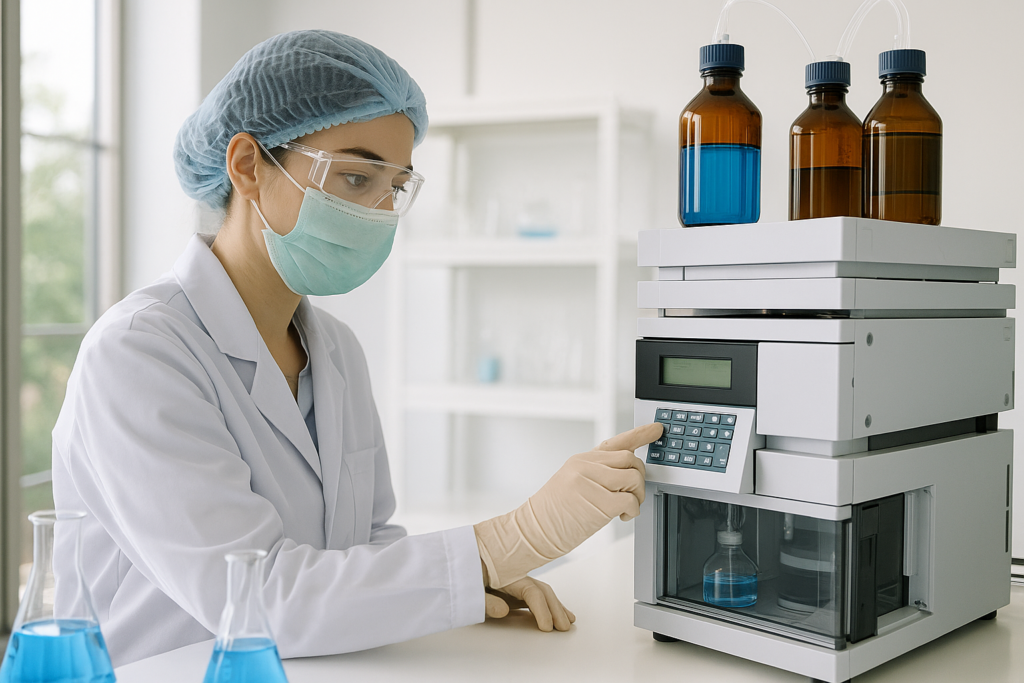
Pharmaceutical products must meet strict regulatory requirements to ensure their safety, efficacy, and quality. Analytical testing plays a crucial role in maintaining compliance with these regulations by verifying the chemical composition, potency, and purity of drugs.
Regulatory bodies require thorough documentation of analytical testing procedures, results, and validation processes. Companies must adhere to Good Manufacturing Practices (GMP) and Good Laboratory Practices (GLP) to ensure continuous compliance.
By integrating robust analytical testing into the pharmaceutical manufacturing process, companies can avoid compliance risks, product recalls, and regulatory penalties.
IntroductionStability studies are a cornerstone of pharmaceutical product development. They evaluate how environmental factors like temperature, humidity, and light affect the quality of a drug over time. These studies help... Read more

IntroductionFormulation development is the science of designing and optimizing a drug product’s composition to ensure therapeutic effectiveness, safety, and patient compliance. Whether it's a tablet, injectable, cream, or capsule, every... Read more