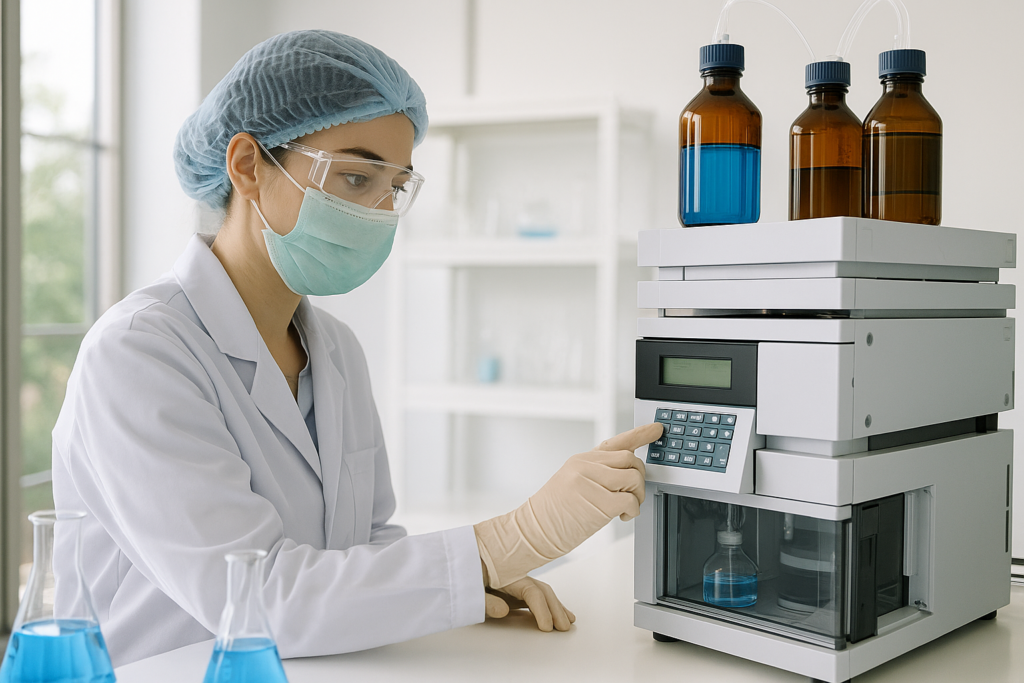
Pharmaceutical products must meet strict regulatory requirements to ensure their safety, efficacy, and quality. Analytical testing plays a crucial role in maintaining compliance with these regulations by verifying the chemical composition, potency, and purity of drugs.
Regulatory bodies require thorough documentation of analytical testing procedures, results, and validation processes. Companies must adhere to Good Manufacturing Practices (GMP) and Good Laboratory Practices (GLP) to ensure continuous compliance.
By integrating robust analytical testing into the pharmaceutical manufacturing process, companies can avoid compliance risks, product recalls, and regulatory penalties.

As pharmaceutical formulations become more complex, advanced analytical testing methods are essential to ensure drug safety and efficacy. Innovations in analytical technology are transforming the way pharmaceutical companies monitor and... Read more

IntroductionContract packaging is an essential service that allows pharmaceutical companies to outsource their packaging needs to specialized partners. It offers flexibility, efficiency, and access to high-end technologies without investing in... Read more

IntroductionIn the highly regulated pharmaceutical industry, making informed decisions is not optional—it’s critical. Whether you’re sourcing APIs, partnering with a CDMO, or acquiring a facility, due diligence inspections are a... Read more
