Introduction
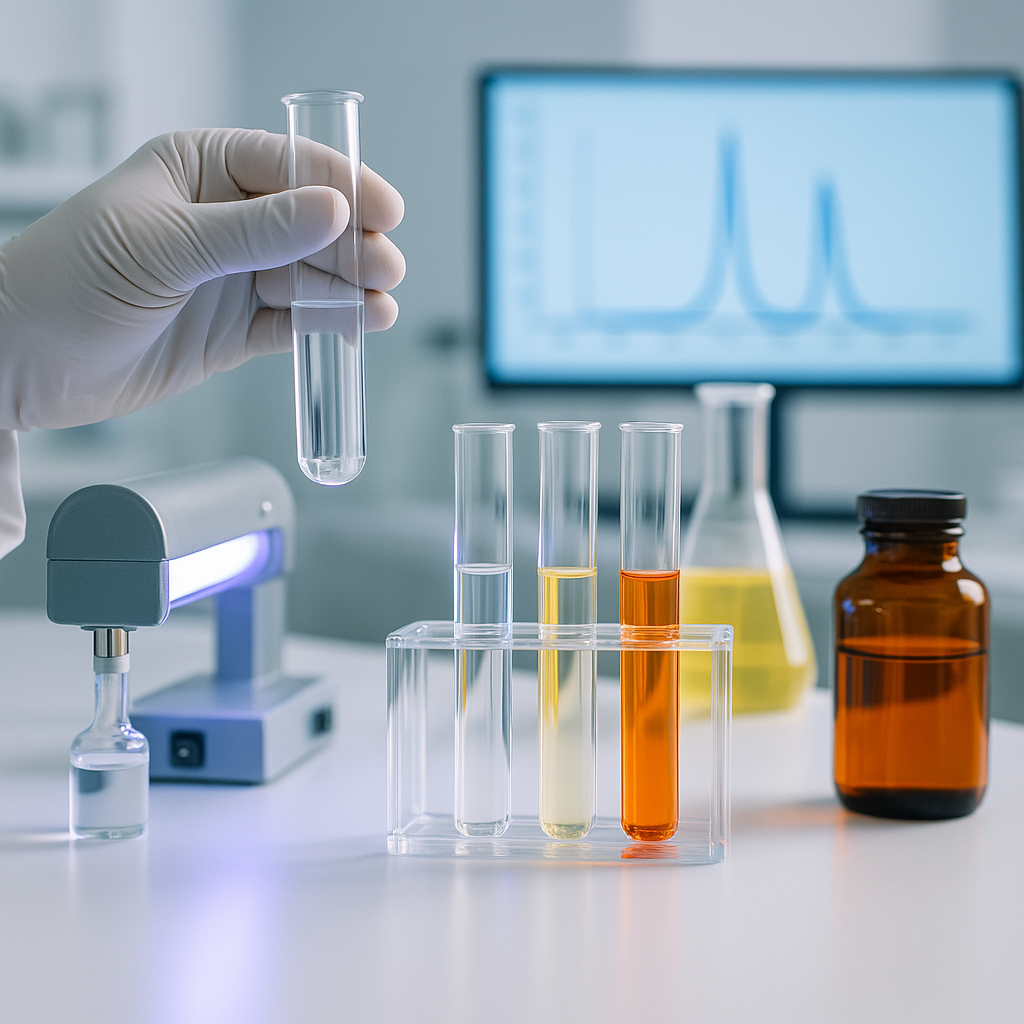
Forced degradation studies are an essential part of pharmaceutical development, providing insight into the stability and shelf life of active pharmaceutical ingredients (APIs) and drug products. These studies simulate extreme conditions to determine how a compound degrades over time and under various stressors.
What Are Forced Degradation Studies?
Forced degradation, also known as stress testing, involves exposing a drug substance to harsh environmental factors such as heat, light, pH extremes, oxidation, and humidity. The goal is to identify potential degradation products and establish the molecule’s intrinsic stability.
Why Are They Important?
These studies are crucial for:
How It Works
Typical stress conditions include:
The resulting data help in understanding the chemical behavior of the drug, guiding formulation, process development, and quality control measures.
Conclusion
Forced degradation studies ensure that pharmaceutical products maintain efficacy, safety, and quality throughout their lifecycle. At Apicule, we offer end-to-end support in designing and executing these studies, using industry-standard protocols and advanced analytical tools.

IntroductionScale-up synthesis is the crucial process of transitioning a chemical synthesis route from the laboratory to pilot or full-scale manufacturing. It ensures that the Active Pharmaceutical Ingredient (API) or intermediate... Read more

IntroductionBringing a pharmaceutical product to the U.S. market requires more than innovation—it demands precise and compliant FDA regulatory filings. From early development to commercial approval, the FDA review process is... Read more
Not every active pharmaceutical ingredient (API) can be treated like a conventional manufacturing project. Some drug substances are highly potent, while others contain complicated molecular structures, multiple stereocenters, sensitive functional... Read more

