
When developing analytical methods for pharmaceuticals, two critical aspects must be considered—validation and verification. While both ensure the accuracy and reliability of analytical techniques, they serve distinct purposes. Understanding their differences is essential for maintaining regulatory compliance and product quality.
Analytical validation is the process of proving that a method is suitable for its intended purpose. It ensures that the method provides accurate, precise, and reproducible results under specified conditions.
Validation is required for newly developed methods before they are implemented in routine analysis.
Verification, on the other hand, is the process of confirming that an established analytical method performs as expected when used under specific conditions in a particular laboratory.
| Feature | Validation | Verification |
|---|---|---|
| Purpose | To establish method suitability | To confirm method performance in a new setting |
| When Required | For new methods | When transferring or adopting an existing method |
| Regulatory Need | Required for new submissions | Required for site-specific implementation |
Both processes are essential to maintain pharmaceutical quality control, ensuring that drugs meet regulatory standards and remain safe for consumption.

Pharmaceutical drugs must maintain their potency, safety, and effectiveness throughout their shelf life. Analytical development plays a critical role in assessing and ensuring drug formulation stability. Importance of Analytical Development... Read more
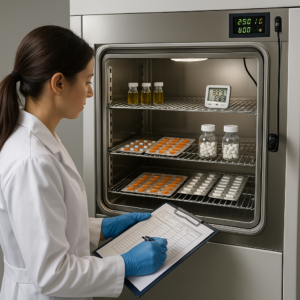
IntroductionStability studies are a cornerstone of pharmaceutical product development. They evaluate how environmental factors like temperature, humidity, and light affect the quality of a drug over time. These studies help... Read more

IntroductionPharmaceutical sales isn’t just about pushing products—it’s about solving real healthcare problems. Whether selling branded drugs, generics, or specialized therapeutics, today’s pharma sales professionals need scientific knowledge, customer empathy, and... Read more
