Introduction
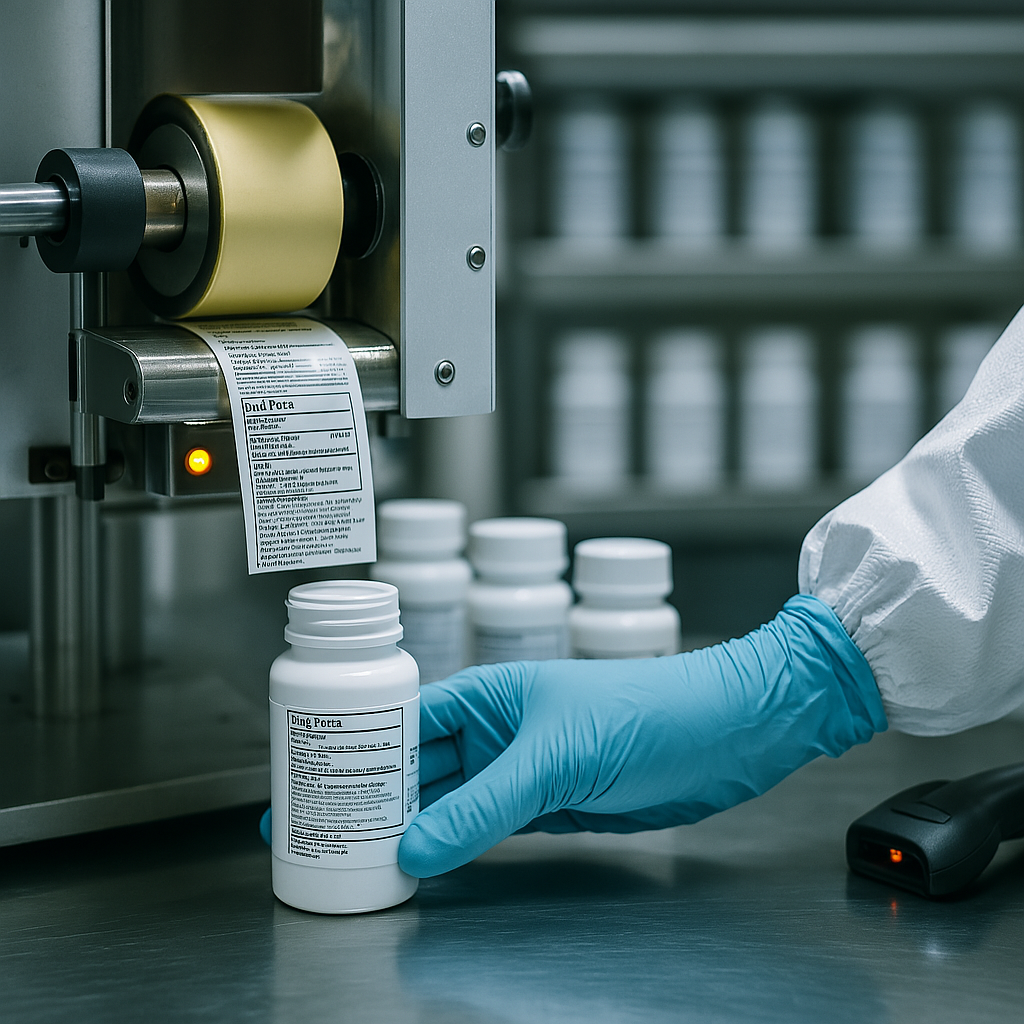
Drug product labeling is far more than just printing a name on a bottle—it’s a critical component of pharmaceutical compliance and patient safety. Proper labeling ensures that healthcare professionals and patients receive accurate information about dosage, administration, warnings, and storage.
What Is Drug Product Labeling?
It includes all printed materials that accompany a pharmaceutical product—bottle labels, carton labels, inserts, patient information leaflets (PILs), and instructions for use. These elements must meet regulatory requirements set by authorities like the USFDA, EMA, CDSCO, and WHO.
Key Components of Effective Labeling
Regulatory Compliance in Labeling
Labeling must align with approved drug dossiers and be updated with any changes in formulation, safety data, or usage guidelines. Any non-compliance can lead to warning letters or product recalls.
Challenges in Labeling
Conclusion
At apicule, we provide pharmaceutical labeling services that are accurate, up-to-date, and fully compliant with global regulatory standards. Our network of partners ensures clarity, consistency, and safety in every label—helping protect both your product and your patients.

IntroductionIn the pharmaceutical industry, even a single product complaint can have serious implications for patient safety and brand credibility. That’s why complaint investigations are a critical component of any effective... Read more
IntroductionFormulation development is the science of designing and optimizing a drug product’s composition to ensure therapeutic effectiveness, safety, and patient compliance. Whether it's a tablet, injectable, cream, or capsule, every... Read more